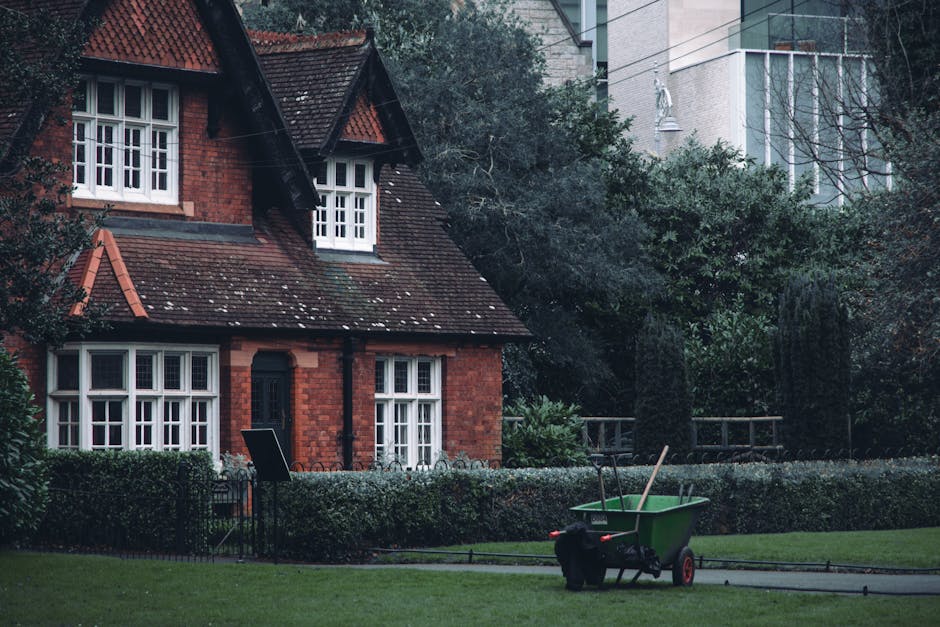
UB1 Southall lawn care and gardeners street by street guide
If you live, manage, or maintain a garden in UB1 Southall, you already know one thing: no two streets feel quite the same. A front lawn on a busier road may need tougher mowing and edging, while a sheltered back garden off a quieter cul-de-sac can invite moss, shade, and a stubborn patch of weeds. This UB1 Southall lawn care and gardeners street by street guide is here to make that difference useful, not confusing. It breaks down what typically matters from street to street, how local garden conditions shape the work, and how to choose the right help without wasting time or money.
We'll cover the practical stuff: lawn care routines, seasonal priorities, common garden problems, what local gardeners usually need to tackle first, and how services such as lawn care, lawn mowing, garden maintenance, and hedge trimming Southall fit into a realistic plan. No fluff. Just a grounded local guide you can actually use.
Table of Contents
- Why UB1 Southall lawn care and gardeners street by street guide Matters
- How UB1 Southall lawn care and gardeners street by street guide Works
- Key Benefits and Practical Advantages
- Who This Is For and When It Makes Sense
- Step-by-Step Guidance
- Expert Tips for Better Results
- Common Mistakes to Avoid
- Tools, Resources and Recommendations
- Law, Compliance, Standards, or Best Practice
- Options, Methods, or Comparison Table
- Case Study or Real-World Example
- Practical Checklist
- Conclusion
- Frequently Asked Questions
Why UB1 Southall lawn care and gardeners street by street guide Matters
Street-by-street thinking matters because gardens are shaped by their immediate surroundings, not just their postcode. In UB1 Southall, you may have differences in shade, wind exposure, pavement dust, privacy, parking access, soil condition, and the amount of use a front or rear garden gets. A lawn that looks fine in one road can struggle two streets away simply because it gets less sun or more foot traffic.
That is why a local guide is more than a marketing angle. It helps you spot the pattern behind the problem. A patchy lawn may not be "bad grass"; it may be compacted soil near a shared path, or a shade issue from a neighbouring fence or mature tree. A hedge that looks messy might only need seasonal shaping and a clearer routine. A weed problem could be linked to thin turf and neglected borders, not laziness. Truth be told, gardens have a way of telling on their conditions if you look closely enough.
For homeowners, landlords, letting agents, and small businesses in UB1, that local awareness saves time and often prevents repeat work. It also helps when you're deciding whether to book a one-off tidy-up or a more structured maintenance plan. If you're preparing a property for viewings, dealing with an overgrown garden after winter, or simply trying to keep the lawn from turning into a sad green mat, local knowledge matters. A lot.
There's also the practical matter of access. Some Southall streets are easy for regular visits and others can be awkward for equipment, parking, or waste removal. That changes how the job is planned. A good gardener doesn't just turn up with tools; they think about the route in, the waste out, and what can be completed efficiently without disturbing neighbours or blocking the pavement.
How UB1 Southall lawn care and gardeners street by street guide Works
The idea is simple: assess the street, assess the garden, then choose the right care rhythm. Start with what you can see from the outside, because that often gives away the biggest clues. Is the lawn pale and sparse? Is moss taking over? Do hedges lean into the light? Are borders full of self-seeded growth? These small clues usually point to bigger conditions underneath.
A practical street-by-street approach typically looks at five factors:
- Light: full sun, partial shade, deep shade, or changing light through the day.
- Exposure: wind, pollution, road dust, and drying heat from surrounding buildings.
- Access: gates, narrow side passages, front-garden working space, and waste removal.
- Use: decorative lawn, family play area, pet use, rental property, or low-maintenance space.
- Pressure points: weeds, bare patches, overgrown shrubs, moss, edging breakdown, or hedge encroachment.
Once those are clear, the maintenance plan becomes easier. For example, a garden on a more exposed street may need stronger lawn recovery, better mulching, and sheltered planting choices. A shaded street may benefit from more shade-tolerant ground cover and less aggressive mowing. If hedges are part of the property boundary, services like watch hedges grow fast to guard your space can be a useful reminder that hedge health and boundary structure are part of the bigger picture, not a separate job.
In some gardens, the best route is to stabilise the basics first: mow correctly, edge cleanly, remove weeds properly, improve soil where needed, and then revisit planting or design. In others, the garden needs a reset. That might mean a bigger tidy, a reshaped layout, or a move toward lower-maintenance planting ideas such as those discussed in eco-friendly low-maintenance garden designs.
Key Benefits and Practical Advantages
When local garden care is planned street by street, the benefits show up in ways people notice quickly. The lawn looks tidier, yes. But there's more to it than that.
- Better grass recovery: Lawn care matched to shade and use helps thin areas recover instead of getting repeatedly stressed.
- Cleaner edges: A neat border makes even a modest garden look more cared for. It sounds small, but it changes everything.
- Less repeat weeding: If weeds are handled properly and the soil is improved, you don't keep fighting the same battle.
- Safer access: Reduced trip hazards from uneven growth, hidden debris, or overgrown paths.
- Stronger kerb appeal: Especially helpful for landlords, sellers, and homes with visible front gardens.
- More realistic upkeep: The plan fits the garden's actual conditions, so it's easier to stick with.
There's also a quiet benefit people don't talk about enough: a well-kept garden reduces that background mental noise. You stop noticing the same untidy patch every time you come home. The place feels easier to live with. That matters on a rainy Tuesday as much as it does when visitors are coming over.
If your garden has become a bit much to handle, combining regular upkeep with one-off improvement work can make a big difference. A clean patio, for example, can immediately sharpen the whole garden. If that's part of your situation, patio cleaning is often worth folding into the wider plan.
Who This Is For and When It Makes Sense
This guide is for anyone trying to keep a Southall garden practical rather than perfect. Let's be honest, most people don't want a show garden. They want something neat, healthy, and manageable without spending every weekend on it.
You'll probably benefit from this approach if you are:
- a homeowner with a lawn that keeps thinning or patching out
- a landlord preparing a property between tenancies
- someone with a busy work schedule who needs regular help
- a family wanting safer, tidier outdoor space for children
- a dog owner dealing with worn turf and messy edges
- an older resident who wants light-touch, reliable upkeep
- a property manager looking for dependable local maintenance
It also makes sense if your garden has one of those frustrating "almost there" problems. The hedge is fine but slightly wild. The lawn is okay but not great. The borders keep filling with weeds. You can tell something needs doing, but not everything needs doing at once. That's exactly where street-by-street logic helps. It lets you prioritise rather than panic.
For people new to gardening, a gentle starting point can help. The article start your gardening odyssey with essential tips for novices gives a useful foundation if you're building confidence from scratch. And if your garden has children in the picture, creating a space where kids and plants thrive in harmony is a smart companion read.
Step-by-Step Guidance
Here's a clear way to approach UB1 Southall lawn care without overcomplicating it. No drama. Just a sequence that works.
- Walk the property properly. Look at the lawn, borders, hedges, fences, paths, and any awkward corners. Take note of shade, damp areas, and where people actually walk.
- Identify the main pressure points. Is it moss, weeds, patchiness, overgrowth, or general mess? Pick the top two issues, not ten.
- Match the job to the street conditions. Shaded gardens need different attention from open, windy ones. Busy front gardens need different attention from sheltered back spaces.
- Decide on maintenance frequency. Weekly, fortnightly, monthly, or seasonal? A front lawn near foot traffic often needs more regular care than a hidden rear lawn.
- Tackle structure first. Mow, edge, trim, weed, and clear debris before you start thinking about decorative planting.
- Improve the weak spots. Use soil care, overseeding, border renewal, or shade-tolerant plants where needed.
- Review the results after a few visits. Good garden care is not a one-off miracle. You'll notice the pattern after two or three sessions.
One practical example: if a front lawn on a busier UB1 street gets compacted near the path, regular mowing alone won't solve it. The better approach is to ease compaction, improve the soil, and reduce stress on the grass. That's a small shift, but it changes the outcome quite a lot.
For larger jobs, especially if you are already planning a broader refresh, gardening services can cover more than mowing alone. A fuller plan might include hedge shaping, border work, planting adjustments, and tidy-up tasks in one visit. Much easier to live with, too.
Expert Tips for Better Results
Here are the things experienced gardeners pay attention to, even when nobody is looking.
- Mow with purpose. Don't scalp the grass. Cutting too short weakens lawns, especially in shade or dry spells.
- Edge early. Clean edges make the whole garden look sharper and help stop grass creeping into borders.
- Watch moisture, not just appearance. A lawn can look dry but still be recovering from overwatering or poor drainage.
- Don't ignore shade. If a garden gets very little sun, the answer is usually adaptation, not force.
- Trim hedges before they become a problem. Regular shaping is tidier and less stressful for the plant than savage cut-backs later.
- Keep waste moving. Old clippings, leaf piles, and debris can smother turf and invite pests or fungi.
- Choose the right planting style for the street. Windier or more exposed spots often need sturdier, lower-fuss planting.
Here's a small but important one: keep an eye on what changes between spring and early autumn. A garden can look very different after a few warm weeks and a dry spell. The lawn that seemed fine in April may look tired by July. That is not failure, just seasonal reality. Gardens in London do this little trick all the time.
If your boundary planting is a recurring headache, it can help to pair lawn work with stronger hedge management. The blog post artistic expressions with custom hedge trimming styles is a nice reminder that trimming can be practical and neat without looking harsh.
Common Mistakes to Avoid
Some garden problems keep coming back because the same mistakes get repeated. The good news is they're usually avoidable.
- Using the same routine on every street. A shady garden and a sun-baked one should not be treated the same.
- Cutting grass too short in one go. This weakens roots and leaves lawns exposed.
- Ignoring access problems. If equipment and waste cannot move easily, the job gets slower and sloppier.
- Leaving weeds until they spread. By then, you are not weeding; you are negotiating.
- Forgetting the borders. A neat lawn surrounded by messy edges still looks unfinished.
- Choosing decorative plants that dislike the site. Pretty on paper, disappointing in the real garden.
- Assuming more water fixes everything. Sometimes the problem is soil structure, not thirst.
Another common issue is over-investing in the visible bits while ignoring the root causes. People will spend on new plants but skip soil improvement. Or they'll keep mowing a tired lawn without ever addressing shade or compaction. It's understandable. Everyone wants the visible win. But gardens usually reward the boring bits first.
If ivy or climbing growth is taking over fences, walls, or outbuildings, it is worth dealing with it decisively. You might find your roadmap to a permanent ivy-free environment helpful for stopping a problem before it spreads across the whole boundary.
Tools, Resources and Recommendations
You do not need a shed full of fancy kit to manage a garden well. In fact, a smaller set of reliable tools often gives better results because they're used properly.
A practical toolkit usually includes:
- a decent mower suited to the lawn size
- sharp edging tools
- shears or a hedge trimmer for boundary work
- gloves and eye protection for thorny or dusty jobs
- a rake for leaves, moss, and debris
- a fork or aeration tool for compacted soil
- bins or bags for green waste collection
For garden planning, it also helps to know which service handles which problem. If the lawn is the main issue, focus on lawn care. If the whole outdoor space needs a reset, garden maintenance may be the more efficient option. If trees are shading the area heavily or creating risk, tree surgery may be part of the answer rather than an afterthought.
For people trying to keep the garden more resilient and less fussy, these reads can help as well: must-have tools for bringing your backyard to life, unbeatable weed management tips, and building a fortified garden against weather assaults.
Law, Compliance, Standards, or Best Practice
For domestic garden care in the UK, the main thing is not to overstate legal complexity. Most of the day-to-day work is guided by common sense, site safety, and good practice rather than heavy regulation. That said, there are still sensible standards worth following.
Professional gardeners should work carefully around hazards such as slippery surfaces, sharp tools, uneven ground, pets, children, and waste handling. Good practice normally includes sensible protective equipment, clear working methods, and tidy disposal of green waste. If work involves ladders, cutting equipment, or heavier clearance, the safety conversation should get more serious, not less. No shortcuts there.
Property owners also have practical responsibilities. If hedges, branches, or overgrowth block access, create trip hazards, or affect neighbouring boundaries, they should be managed in a reasonable way. In shared or close-set streets, this is often more about neighbourly upkeep than legal drama. But let's face it, people do notice when a front garden is spilling into the pavement.
If you want reassurance on standards, it helps to look at service pages that explain how the work is handled, how quotes are structured, and how payment and security are managed. You can also review insurance and safety, health and safety policy, and payment and security before booking. Small detail? Maybe. But the small details are usually where trust lives.
Options, Methods, or Comparison Table
There are a few common ways to handle UB1 Southall garden care. The best choice depends on how busy the garden is, how exposed it is, and how much of the work you want to keep in-house.
| Approach | Best for | Strengths | Trade-offs |
|---|---|---|---|
| DIY basic upkeep | Small, simple gardens | Low cost, flexible timing, personal control | Easy to miss underlying problems, more time-consuming |
| Regular lawn care visits | Lawns that need consistent mowing and tidying | Reliable presentation, better lawn rhythm, less stress | May not solve deeper soil or design issues alone |
| Full garden maintenance | Busy households, rentals, neglected gardens | More complete, efficient, better long-term order | Usually wider scope and higher commitment |
| One-off restoration | Overgrown or seasonal catch-up jobs | Fast visual impact, clears the backlog | Needs follow-up to stay tidy |
If you're deciding between a quick tidy and a wider service, think about what the garden will need in six weeks, not just today. That's the bit people miss. A one-off cut might look brilliant on the day, then slide right back if the site was never really set up for easy maintenance.
In some homes, especially where the garden has decking, paved seating, or mixed surfaces, it can make sense to combine garden work with a separate surface clean. For that wider approach, decking services and landscaping may be more useful than piecemeal fixes.
Case Study or Real-World Example
A typical UB1 Southall job might start with a front garden on a fairly busy residential street. The lawn is thin near the path, the hedge is leaning out, and the borders are full of low weeds. Nothing dramatic, just one of those gardens that looks a bit tired every time you pass it.
The first visit would usually focus on clearing the shape: mow at a sensible height, edge the lawn, trim the hedge back to a clean line, and remove the obvious weeds. On a second pass, the work might move into recovery: lift compacted areas, improve the soil where the lawn is stressed, and decide whether the border needs ground cover or a simpler planting scheme. If the garden gets little sun, a few structural changes may matter more than extra watering.
What changed? Not just appearance. The space became easier to maintain, the path looked wider, and the whole property felt calmer. A neighbour might not comment in grand language, but they do notice. Usually with a small nod, or by asking who did it. That's the real-world test.
In a case like this, the client could also have benefited from a short garden reset guide before starting. The article getting ready for a complete garden transformation is relevant because it helps people plan the job in stages instead of trying to do everything in one exhausting burst.
Practical Checklist
Use this checklist before booking, briefing, or carrying out work in UB1 Southall.
- Check which parts of the garden get full sun, partial shade, or deep shade.
- Note any wind exposure, especially for front gardens and corners.
- Look for compacted turf, moss, bare patches, or frequent weeds.
- Measure access for tools, waste, and any larger equipment.
- Decide whether the job is one-off, seasonal, or ongoing.
- Identify boundaries that need hedge trimming or reshaping.
- Check whether patios, decking, or paths also need attention.
- Confirm if pets, children, or tenants will be using the space regularly.
- Choose the right service level rather than trying to solve everything at once.
- Ask for a clear plan so you know what will be done and in what order.
Simple rule: if the garden keeps "looking fine for a week" and then slipping back, it probably needs structure, not just another quick tidy.
Get a free quote today and see how much you can save.
Conclusion
The best UB1 Southall lawn care and gardeners street by street guide is not about memorising every road in the area. It's about understanding how a garden behaves where it sits. Light, shelter, access, use, and maintenance rhythm all shape the results. Once you read the garden that way, the work gets simpler, the choices get smarter, and the upkeep feels less like a battle.
Whether you need regular mowing, hedge shaping, a clearer maintenance plan, or help turning a tired outdoor space into something manageable again, the key is to work with the site rather than against it. That approach lasts longer. And it usually looks better too, which never hurts.
If you want to compare options or talk through what your property actually needs, start with the services and information pages linked above, then move forward with a plan that fits your street, your garden, and your week. Small improvements add up. They really do.
Frequently Asked Questions
What does a street by street garden guide actually mean in UB1 Southall?
It means the garden plan is adjusted to the conditions of each street or micro-location rather than using one generic routine. Shade, wind, access, and traffic all change the best approach.
How often should lawn mowing happen in a Southall garden?
That depends on growth rate, season, and use. Active front lawns often need more regular mowing than sheltered rear lawns, especially in spring and early summer.
Why does my lawn look worse than my neighbour's even though we live nearby?
Small differences in light, soil, compaction, drainage, and foot traffic can make a big difference. Two gardens a few doors apart can behave very differently.
Is regular lawn care better than a one-off tidy-up?
For most gardens, yes. A one-off tidy improves appearance quickly, but regular care usually prevents the same problems from returning.
Can a shady garden still have a healthy lawn?
Sometimes, yes, but it usually needs a more careful approach. Shade-tolerant maintenance, less aggressive mowing, and better soil care matter more than in sunny gardens.
What should I do if weeds keep coming back?
Deal with the cause as well as the weed itself. Thin turf, bare soil, and neglected borders often allow weeds to return, so repair the conditions too.
Do I need hedge trimming if my lawn looks fine?
Often, yes. Hedges shape the look of the whole garden, and overgrowth can affect light, access, and the sense of space even when the lawn is tidy.
When is the best time to improve a tired lawn?
Spring and early autumn are usually practical times for recovery work, but the right timing depends on what the lawn needs and how exposed the garden is.
What services are most useful for overgrown properties?
Garden maintenance, lawn mowing, hedge trimming, and sometimes landscaping or tree surgery are the usual starting points for a full reset.
How do I know if I need professional help or can manage it myself?
If the garden is small, simple, and only needs light upkeep, DIY may be fine. If the work is repeating, spread across several areas, or becoming physically awkward, professional help makes more sense.
Are patios and decking part of lawn care planning?
They can be. A clean patio or tidy decking area changes how the garden feels overall, and surface maintenance often goes hand in hand with lawn work.
What's the biggest mistake people make with local garden care?
Trying to treat every garden the same. In reality, the best outcome usually comes from adapting to the street, the site, and the way the garden is actually used.