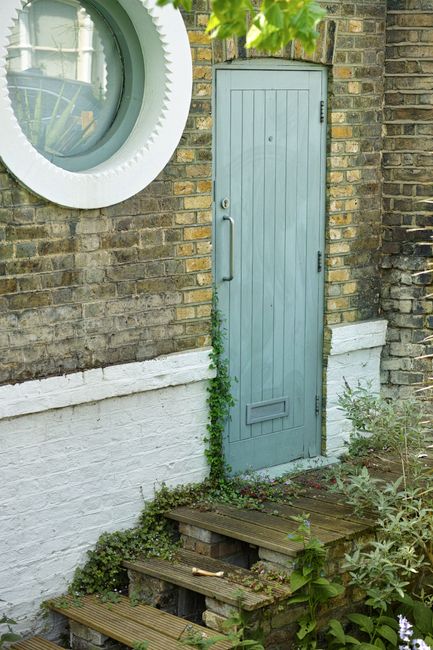
Small rear access jobs how gardeners handle tight Southall gardens
If you have a garden that looks simple from the back door but turns awkward the moment you try to get a mower, bags of soil, or a wheelbarrow through it, you are not alone. Small rear access jobs how gardeners handle tight Southall gardens are a regular part of local work, especially where terraces, side passages, shared walkways, and compact rear plots leave very little room to manoeuvre. The job can still be done well. It just needs the right approach, the right tools, and a bit of patience. To be fair, that last part matters more than people think.
In this guide, you will see how gardeners assess access, plan the work, avoid damage, and get tidy results without turning a narrow passage into a muddy headache. We will also cover practical methods, common mistakes, compliance and safety points, and the kind of questions people usually ask before booking a visit.
Why Small rear access jobs how gardeners handle tight Southall gardens Matters
Tight rear access changes everything about a garden job. A straightforward lawn cut can become a careful carry-in, carry-out operation. Hedge trimmings, broken branches, old turf, planters, compost sacks, slabs, and fence panels all need a route. If the route is narrow, wet, shared, steep, or awkwardly placed, the work slows down quickly.
In Southall, that often means dealing with narrow side returns, small door openings, alley access, neighbouring boundaries, and gardens tucked behind homes with very little turning space. Gardeners who understand these conditions can protect the property, keep the work organised, and finish without the mess that smaller spaces can so easily create. That is the real value here. Not just doing the gardening, but doing it cleanly.
It also matters because access affects cost, timing, and what kind of job is even realistic. A team may be able to carry out garden clearance, hedge reductions, or regular maintenance, but they might need to split materials into smaller loads, use lighter tools, or plan extra time for transport through the house-side route. When you know that early, there are fewer surprises later. And fewer awkward conversations at the gate, which nobody enjoys.
How Small rear access jobs how gardeners handle tight Southall gardens Works
The process usually starts before anyone lifts a tool. A good gardener will ask about access width, gate size, steps, surface type, and whether any part of the route passes through the home, shared access, or a neighbour-adjacent passage. If there is room to open a wheelbarrow, great. If not, materials may need to be bagged and carried in smaller amounts.
Then comes the practical setup. For a compact rear garden, the most useful work patterns are often simple:
- Bring in the lightest tools first, then heavier kit only if needed.
- Protect door thresholds, paving edges, and indoor floors where access passes through the property.
- Stack waste in manageable bags rather than oversized piles.
- Work from the back of the garden toward the access route, so waste does not block the way.
- Keep cutting, loading, and tidying in a sensible sequence instead of doing everything at once.
That sequencing sounds small, but it makes a real difference. If you trim a hedge before clearing the route below it, for example, clippings can block the path and slow everything down. If you remove waste as you go, the job feels calmer. Less clatter, less shuffling, less chance of a stray branch catching on a fence panel.
On many jobs, especially where the rear access is awkward, gardeners will choose quieter and more compact equipment. Battery tools are often useful because they are lighter and easier to carry. Manual finishing tools also help in tight corners where a bigger machine simply would not fit. For work that involves shaping, cutting, or thinning, services like hedge trimming and lawn mowing can still be carried out neatly, but the job may be broken into sections rather than tackled in one big sweep.
Waste removal is usually the trickiest part. If there is no direct garden access for a barrow or skip route, the crew has to plan how clippings, branches, and general debris will move out safely. This is where careful loading, protected walkways, and realistic scheduling matter. No drama. Just good organisation.
Key Benefits and Practical Advantages
Handling small rear access properly is not only about avoiding inconvenience. It can improve the quality of the result too.
- Less damage to property: Narrow routes are easier to protect when a team plans them properly.
- Cleaner finish: Good access control means less mess tracked through the house or along the path.
- More realistic planning: You get a job plan that suits the site, not a generic promise.
- Better plant care: Smaller tools and more careful movement can reduce accidental breakage.
- Lower stress on the day: Everyone knows how materials will move, which keeps the work steady.
- Safer handling: Fewer awkward lifts and fewer rushing moments. That alone is worth a lot.
There is also a subtle but important benefit: small spaces tend to show workmanship. In a tight Southall garden, a clean cut edge, a properly stacked waste bag, or a neat sweep-up stands out immediately. You notice it at once. The space feels bigger when it is tidy.
For regular upkeep, this approach works especially well with garden maintenance visits. For bigger tidy-ups, it also supports services such as patio cleaning, where the access route itself needs as much care as the surface being cleaned.
Who This Is For and When It Makes Sense
This kind of work is a good fit for anyone whose garden is reachable only through a narrow passage, a rear alley, a terraced house, a shared entry, or an inside route through the property. It is especially useful if you have one or more of the following:
- a small back garden with limited turning space
- long or narrow side access
- steps, uneven paving, or a tight corner
- heavy pruning waste that cannot be moved in one load
- fencing or boundary work that needs careful delivery of materials
- a one-off clear-up after weather, overgrowth, or tenant change
It also makes sense when you are not sure whether a job is even feasible. A quick access review can save time by showing what is practical and what would be better planned differently. Sometimes that means proceeding as normal. Sometimes it means splitting the work over two visits. Sometimes it means adjusting the scope a bit. That is not a problem, honestly. It is just how real gardens work.
If your garden has become overgrown and cluttered, rear access planning is particularly important for garden clearance. The same is true if you are exploring wider changes through landscaping or even structural additions like fencing and decking services, because materials have to get in somehow.
Step-by-Step Guidance
If you want to understand how gardeners handle a tight rear-access job from start to finish, this is the clearest way to think about it.
- Assess the access route. Measure gate width, door clearance, steps, and any pinch points. Note whether the route is internal, external, or shared.
- Check the surfaces. Slippery slabs, muddy strips, loose gravel, and uneven paving all affect how equipment is carried.
- Decide the work scope. A lawn tidy, hedge reduction, clearance, and border weeding all create different waste and movement needs.
- Choose the right tools. Compact, lightweight, and battery-powered tools are often better in tight areas.
- Protect the route. Use dust sheets, boards, or mats where needed to reduce scuffing and mess.
- Work in zones. Finish one section before moving on, especially when waste storage space is limited.
- Load waste steadily. Smaller loads are usually safer than trying to cram everything into one bag or one barrow trip.
- Finish with a full sweep. Tight access is unforgiving. A few stray twigs can make a job feel unfinished.
For trimming work, the order matters a lot. If a hedge overhangs a narrow route, gardeners may lightly reduce the top or outer edges first to create better working space before doing the final shape. That helps with visibility and reduces the chance of snagging clothing, gloves, or the tool itself. Simple, but effective.
On maintenance-heavy visits, combining mowing, border work, and light pruning can make the most of a difficult access route. For example, completing lawn care and hedge trimming on the same visit often reduces repeated movement through a tight passage. Less in, less out. It adds up.
Expert Tips for Better Results
Here are the small decisions that usually separate a smooth job from a frustrating one.
- Plan waste movement before cutting begins. If the access route is the bottleneck, do not leave waste as an afterthought.
- Keep tools compact. A smaller saw, shears, or mower can be the difference between clean work and clumsy work.
- Use fewer, smarter trips. Carrying one well-packed load is better than making six rushed ones.
- Watch the weather. A wet narrow passage can become slippery very fast, especially on older paving.
- Label the route mentally. Know where materials will sit, where they will pass, and where they will exit.
- Do a final edge check. Tight gardens make little imperfections more visible. Edges matter.
One practical habit I always recommend: pause before the final sweep and look back from the doorway. You will spot missed clippings, half-cut stems, and stray soil much faster from that angle. It is a tiny thing, but it saves a lot of backtracking. A bit old-fashioned maybe, yet it works.
If a job includes trees or taller woody growth, access planning becomes even more important. Services such as tree surgery and tree lopping and removal often need careful sectioning, controlled lowering, and sensible waste staging where space is limited. No one wants a pile of branches blocking the only way out.
Common Mistakes to Avoid
Most access problems are avoidable. They tend to happen when people underestimate the garden, or assume that because a job is small, the access will be simple. It rarely is.
- Assuming a wheelbarrow will fit. Many tight routes are just a little too narrow, or awkward at the corner.
- Ignoring indoor protection. If the route passes through the house, protect floors and thresholds first.
- Overloading waste bags. Heavy bags tear, slip, and make tight turns harder.
- Working in the wrong order. If you block the exit early, you end up walking through the work repeatedly.
- Leaving pruning until the end. Cutting order should support access, not fight it.
- Skipping the site check. A five-minute look can prevent a fifty-minute delay.
Another common mistake is not being honest about the route. If the gate is narrow, say so. If there are steps, say so. If access is technically possible but fiddly, say that too. That sort of detail is not awkward; it is useful. Truth be told, it makes the whole job easier for everyone.
Tools, Resources and Recommendations
Tight-access gardening does not always need specialist equipment, but it does benefit from the right kind of kit. The aim is portability and control, not brute force.
| Tool or method | Why it helps in tight access | Typical use |
|---|---|---|
| Battery-powered hand tools | Lighter to carry, easier to store, no trailing fuel cans or bulky leads | Trimming, edging, light pruning |
| Small bags or rubble sacks | Safer to move through narrow routes than overfilled bulk bags | Clippings, leaves, light waste |
| Protective mats or boards | Helps shield flooring and paving on the route in and out | Indoor or narrow passage access |
| Compact wheelbarrow | Useful where turning space exists, but only if the route suits it | Soil, compost, smaller waste loads |
| Manual finishing tools | Better control in tight corners and around edges | Detail work, edging, touch-ups |
For property owners, the most useful preparation is simple. Clear the access route as much as possible before the visit, tell the gardener about anything fragile or awkward, and decide whether waste needs to be taken away on the day. If you are comparing ongoing upkeep with one-off work, it may also help to look at gardening services more broadly, or to ask about a recurring plan through garden maintenance.
One more thing: if you are expecting larger changes to the layout, it can be worth considering how access will affect the future. A beautifully designed border is no help if every visit becomes a wrestling match with the gate. That sounds obvious, but people forget it all the time.
Law, Compliance, Standards and Best Practice
Most small rear access work is not heavily regulated in itself, but good practice still matters. Gardeners should work safely, respect neighbouring property, and handle tools and waste responsibly. Where a route passes through a home, they should take reasonable care to protect indoor surfaces and minimise disruption. Where shared access is involved, being considerate is not optional. It is just decent site behaviour.
For larger or more complex jobs, especially those involving ladders, cutting equipment, heavy lifting, or tree work, it is normal to expect sensible health and safety controls, public liability insurance, and clear communication about risks. If you want to understand how a local company approaches that side of the work, their health and safety policy and insurance and safety information are worth checking.
Waste handling should also be treated properly. Green waste should not be dumped carelessly or left to block communal pathways. A tidy load-out and responsible disposal are part of normal professional standards. If sustainability matters to you, it is sensible to ask how waste is managed and whether the team follows a recycling-minded approach. The exact method can vary, but the principle is straightforward: leave the place better than you found it.
When in doubt, ask questions. A good gardener will not mind. In fact, a careful question usually signals a careful client, and that tends to make the job better from the start.
Options, Methods, or Comparison Table
Different access situations call for different methods. Here is a simple comparison of the most common ways gardeners handle tight rear access jobs.
| Method | Best for | Advantages | Trade-offs |
|---|---|---|---|
| Manual carry-through | Very narrow or delicate access | Maximum control, minimal equipment footprint | Slower, more trips, more physical effort |
| Compact wheelbarrow route | Access with enough width and turning room | Efficient for soil, waste, and materials | Not suitable where corners are too tight |
| Bagged waste staging | Cluttered clearance jobs | Keeps route clearer, easier to sort waste | Can take longer to bag and move |
| Section-by-section work | Overgrown or mixed-task gardens | Organised, easier to manage in stages | Requires discipline and good sequencing |
| Combined maintenance visit | Repeat gardens with limited access | Reduces repeated trips and repeated setup | Needs good planning in advance |
If you are deciding between one-off clearance and a more regular plan, the best choice often depends on how quickly the garden grows back, how difficult the access is, and whether you want to avoid repeating the same awkward route every month. Not glamorous, but it is the truth.
Case Study or Real-World Example
Picture a small Southall rear garden behind a terraced house. The only access is through a narrow side passage beside the kitchen. It is just wide enough for a person with a bag, but not comfortable for a full-size barrow. The lawn is patchy, the hedge leans into the walkway, and there is a pile of old cuttings near the back fence.
In that situation, a gardener would usually start by checking the route, then clear the access line itself before tackling the main work. The hedge may be cut back slightly to widen the working space. The lawn is then trimmed in sections. Waste is bagged in smaller loads and carried out steadily, not all at once. If a fence panel or boundary edge needs attention, that work is scheduled after the path is clear so nobody is stepping over debris.
The result is not dramatic. That is the point. The space looks calmer, the route stays usable, and the homeowner does not spend the evening finding grass clippings in the kitchen. Small wins, but they matter.
For gardens like this, local knowledge counts. A team familiar with Southall's tighter residential layouts will usually know where access tends to pinch, which tasks create the most waste, and how to keep the place neat without overcomplicating the work. You can see that kind of practical, local-minded approach reflected in the wider about us information and the range of gardening services available.
Practical Checklist
Use this before booking or beginning a small rear access job:
- Measure gate, passage, and doorway widths
- Check for steps, tight corners, and slippery surfaces
- Decide whether access goes through the house or a shared route
- Identify fragile paving, paintwork, or indoor flooring to protect
- List the main tasks: mowing, trimming, clearance, pruning, or repairs
- Ask how waste will be carried out and where it will be stored during the job
- Confirm whether battery tools or compact kit would be more suitable
- Plan for weather, especially rain on narrow surfaces
- Agree whether the job is a one-off or part of ongoing maintenance
- Check pricing and scope before work starts through the pricing and quotes page
And if you want to raise a question before going ahead, use the website's contact us page. A short message with a photo or a few measurements can save everyone time. Really, it does.
Conclusion
Small rear access jobs in tight Southall gardens are less about brute strength and more about careful planning, tidy movement, and working with the space instead of against it. The best gardeners do not just trim, clear, or mow. They think through the route, protect the property, and make the whole process feel manageable. That is what turns an awkward garden into a straightforward job.
If your garden has been sitting on the "we really should deal with that" list for too long, start with the access question. Once that is clear, the rest becomes far easier to handle. And sometimes, that first sensible step is all it takes to get moving again.
Get a free quote today and see how much you can save.
Frequently Asked Questions
What counts as a small rear access job?
It usually means any garden task where the only route to the back garden is narrow, awkward, or limited in some way. That could be a side passage, an internal route through the house, a shared walkway, or a tiny gate opening.
Can gardeners still work if a wheelbarrow will not fit?
Yes. They can often switch to hand-carrying waste in smaller loads, use lighter tools, and break the job into sections. It may take longer, but it is often completely workable.
Do tight-access jobs take longer than normal garden work?
Usually, yes. The access route itself adds time for setup, carrying, protection, and waste movement. The actual gardening may be straightforward, but the logistics can slow things down.
How do gardeners protect floors or narrow passages?
They may use boards, mats, dust sheets, or other protective coverings depending on the surface. The goal is to reduce scuffing, mud, and accidental damage while moving materials in and out.
Is rear access a problem for garden clearance?
It can be, especially when there is a lot of waste to move. But it is usually manageable if the work is planned properly and the waste is bagged or staged in sensible loads.
What should I tell the gardener before they arrive?
Tell them about the access width, any steps, shared routes, fragile surfaces, and whether anything needs to pass through the house. A photo can help too. It is one of those small things that saves a lot of guessing.
Can hedge trimming and lawn care be done in a very tight garden?
Yes, often they can. The main difference is that the gardener may use smaller tools, work in sections, and plan waste removal more carefully than they would in a larger open garden.
Do I need to clear the route myself before the visit?
If possible, yes. Moving bikes, bins, toys, or plant pots out of the way helps a lot. Even a little preparation can make the job smoother and safer.
Are there extra safety concerns with internal access?
There can be. When the route goes through a house, floors, corners, and thresholds need extra care. Good communication and proper protection make a big difference.
How do I know if the job should be split over two visits?
If the access is very narrow, the garden is overgrown, or the waste volume is high, splitting the work can be sensible. It avoids clutter and keeps the job under control instead of rushed.
Can tight-access jobs include fencing, decking, or landscaping?
Yes, but the material delivery and movement plan matter even more. Larger jobs often need careful staging, smaller deliveries, and a clearer understanding of how materials will get in and out.
What is the best next step if I am unsure about access?
Take a few photos, measure the narrowest points, and ask for advice before booking. That small bit of preparation helps a gardener judge the job properly and suggest the right approach.
Every tight garden has its own rhythm. Once you understand the route, the work stops feeling like a puzzle and starts feeling possible again.