Brent Road Southall garden maintenance guide for residents
If you live on Brent Road in Southall, keeping a garden looking tidy, healthy, and genuinely usable can feel like a small weekly battle. One wet spell and the lawn is patchy. One windy day and the hedges are a bit all over the place. Then there's the weeds, the patio grime, the ivy that never seems to understand boundaries. This Brent Road Southall garden maintenance guide for residents is here to make the whole thing feel manageable again. Not perfect, just manageable. And that's usually what people actually want, to be fair.
In the pages below, you'll find a practical local guide to routine garden care, seasonal priorities, common problems in Southall gardens, and the best ways to keep outdoor spaces neat without turning weekends into hard labour. We'll also cover when a simple tidy-up is enough, when more involved help makes sense, and which services can save time when life is already full enough.
If you want a broader overview of ongoing upkeep, you may also find our garden maintenance service helpful, along with the practical tips in our article on weed management.
Table of Contents
- Why Brent Road Southall garden maintenance guide for residents Matters
- How Brent Road Southall garden maintenance guide for residents Works
- Key Benefits and Practical Advantages
- Who This Is For and When It Makes Sense
- Step-by-Step Guidance
- Expert Tips for Better Results
- Common Mistakes to Avoid
- Tools, Resources and Recommendations
- Law, Compliance, Standards, or Best Practice
- Options, Methods, or Comparison Table
- Case Study or Real-World Example
- Practical Checklist
- Conclusion
- Frequently Asked Questions
Why Brent Road Southall garden maintenance guide for residents Matters
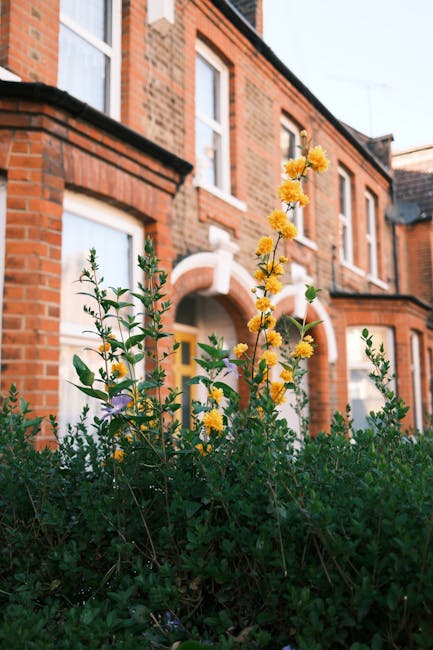
Gardens on residential streets like Brent Road tend to work harder than people realise. They are not just decorative. They create first impressions, soften hard brickwork, give children and pets somewhere to play, and offer a bit of breathing room in a busy part of West London. When maintenance slips, the whole property can feel tired very quickly. A lawn that has gone thin, borders full of weeds, or hedges that block light can make even a well-kept house look a touch neglected.
There is also the practical side. Dense growth can create hiding places for pests, block drainage paths, and make it harder to spot issues early. After heavy rain, Southall gardens often need a quick check for waterlogging, muddy footpaths, or compacted patches. In summer, things can flip the other way: dry soil, crisp edges, and thirsty planting beds. The point is simple enough. Local garden maintenance is not about making things look fancy. It is about keeping a garden stable, safe, and pleasant through changing weather.
For many residents, the biggest win is consistency. A little attention every fortnight usually prevents the big weekend rescue job. Once the garden gets too far behind, it becomes a much bigger task. We see that all the time: a small patch of ivy gets ignored, then it spreads; a hedge gets left until it blocks a path; a patio grows slippery and suddenly feels less like a feature and more like a hazard. Not dramatic, just life.
That is why a local, realistic maintenance plan matters. It helps you stay ahead of the usual problems rather than reacting when they are already annoying.
How Brent Road Southall garden maintenance guide for residents Works
A good maintenance guide works best when it follows the garden itself, not an idealised calendar. Start by looking at what your outdoor space actually contains. A small front garden with shrubs and paving needs different attention from a rear garden with lawn, borders, fencing, and mature trees. The same applies to properties with shade from buildings, windy corners, or limited access.
In practice, garden maintenance usually moves through a few repeatable stages:
- Assess the space - notice what is growing well, what looks tired, and what is spreading too fast.
- Set the priorities - lawns, hedges, weeds, and hard surfaces are the usual starting points.
- Schedule regular care - little and often is usually better than waiting for a full overhaul.
- Match the season - spring tidy-ups, summer watering, autumn leaf clearance, winter protection.
- Review the results - if one area keeps causing trouble, change the approach rather than repeating the same mistake.
That sounds straightforward, and most of the time it is. The real difference comes from noticing details early. A hedge starting to lean, for example, may need trimming and staking attention before it becomes a bigger fix. Likewise, a lawn that looks dull may not need replacement at all; it may just need better mowing height, feeding, and occasional aeration. If you are sorting out boundary growth specifically, the advice in hedge trimming in Southall and our post on fast-growing hedges can be useful.
One more thing: not every garden problem is a planting problem. Sometimes it is simply a maintenance rhythm problem. The garden is there, the structure is fine, but the timing is off. Oddly common. Very fixable.
Key Benefits and Practical Advantages
Residents on Brent Road usually notice the same benefits once garden care becomes regular instead of occasional. Some are obvious. Others creep up on you.
- Better kerb appeal - a neat garden makes the whole home feel brighter and more cared for.
- Less emergency work - small jobs handled early stop larger, more expensive fixes later.
- Healthier plants - pruning, feeding, and weed control support stronger growth.
- Safer paths and borders - fewer trip hazards, less moss, and better visibility.
- More usable space - tidy lawns and clear seating areas make the garden feel larger.
- Reduced stress - a maintained garden is mentally easier to live with. Simple as that.
There is also a planning advantage. Once you know your garden's rhythm, you can decide where to invest effort. For example, if the lawn is always struggling in shade, it may make more sense to switch to low-maintenance planting or ground cover rather than endlessly patching bare areas. Our guide on adaptable ground covers is a good starting point for that kind of thinking.
Expert summary: The most reliable maintenance plan is not the fanciest one. It is the one you can repeat through damp weeks, dry spells, and busy months without dreading the work.
And yes, a well-kept garden can even feel easier to sell with, if that ever becomes relevant. Buyers may not say, "I love the mulch level," but they do notice when a home feels orderly and cared for.
Who This Is For and When It Makes Sense
This guide suits a wide mix of residents. You may own your property, rent it with permission to maintain the garden, or look after a family home where the outdoor space gets used by several people. The common thread is that you want the garden to stay presentable without becoming a full-time hobby.
It makes sense if:
- you are short on time and need a realistic upkeep routine
- your lawn is thinning, patchy, or overrun with weeds
- hedges, shrubs, or climbers have become difficult to manage
- your patio or paths are looking dirty, mossy, or slippery
- you want to improve privacy or structure without major landscaping
- you are preparing a property for visitors, tenants, or sale
It also makes sense if you are new to gardening. A lot of residents start with good intentions and then hit the usual wall: what do I cut back, what do I leave, and when should I do it? If that sounds familiar, the beginner-friendly advice in these starter gardening tips can help you get a steady footing.
Families with children or pets often need a slightly different maintenance rhythm too. Safe surfaces, non-toxic planting choices, and clear boundaries around play areas matter more than the latest trend. A good garden is one that fits real life, not just a photograph.
Step-by-Step Guidance
Here is a sensible way to manage a Brent Road garden without overcomplicating it.
1. Walk the garden slowly
Do a proper walk-through before touching anything. Look for uneven growth, weeds in joints, leaf build-up, broken stems, and water pooling after rain. You will often spot the biggest issues in the first two minutes if you slow down a little.
2. Clear the obvious clutter first
Remove fallen branches, dead leaves, broken pots, and anything blocking access. This instantly makes the space easier to work in. It also helps you see what is actually going on underneath. It sounds basic because it is basic, and that is fine.
3. Deal with weeds before they set seed
Weeds are much easier to control when they are small. Pull them from borders, remove them from paving joints, and apply a consistent control approach rather than waiting until they dominate the bed. If you want a deeper look at practical approaches, our weed management guide is worth a read.
4. Cut, shape, and thin where needed
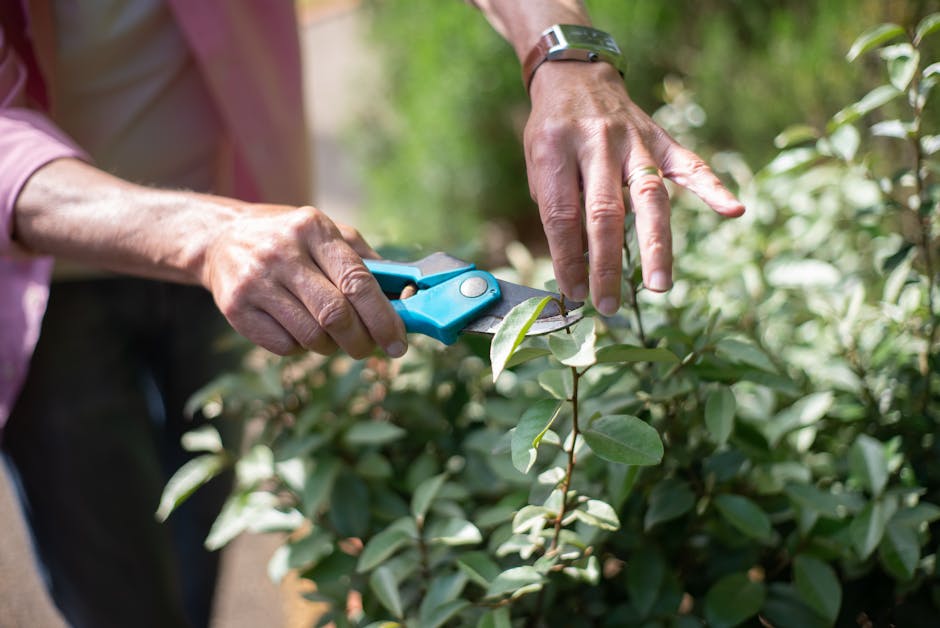
Hedges and shrubs should be trimmed with purpose, not just shortened because they look messy. Remove dead growth, reduce overhang, and keep paths, windows, and entrances clear. If a hedge is too wide, it often looks tidier after selective thinning rather than a harsh straight haircut. There is a knack to it, admittedly.
5. Reset the lawn
Mow at a suitable height, rake out thatch if it has built up, and feed the grass only if the soil and season call for it. If the lawn is full of bare spots, check whether it is suffering from shade, drainage, or foot traffic before buying seed blindly. The best lawn care is usually diagnosis first, product second.
6. Clean hard surfaces
Patios, decking edges, and paths collect moss, dirt, and slippery residue over time. A proper clean makes the whole garden feel brighter and safer. For more focused help, see patio cleaning and, where timber surfaces are involved, decking services.
7. Reassess planting balance
Some gardens simply need better planting choices. In exposed spots, choose tougher shrubs and wind-tolerant species. In shady gardens, use plants that tolerate lower light. If you're trying to reduce constant upkeep, our piece on low-maintenance garden designs may give you a few ideas that actually hold up in real gardens.
8. Finish with structure and edges
Edges matter more than people think. Crisp borders, clean fence lines, and neat transitions from lawn to path make a garden feel finished. If the boundary itself is tired, damaged, or patchy, it may be time to look at fencing options as part of the bigger picture.
Expert Tips for Better Results
A few small habits make garden care much easier over the long term.
- Work by zone rather than trying to do the whole garden in one go.
- Keep tools clean and sharp; blunt blades tear growth and make pruning messier.
- Don't mow too short in dry or stressed periods.
- Check after windy weather because Southall gardens can pick up loose debris fast.
- Water deeply, less often instead of frequent light splashes that barely reach roots.
- Use mulch carefully to help suppress weeds and retain moisture, but do not smother stems.
- Prune with a reason - light, shape, safety, airflow, or renewal.
Here's a tiny but useful tip from real-world practice: if a task keeps getting avoided, make it smaller. Not weaker. Smaller. Ten minutes of edging on a Tuesday evening beats promising yourself a perfect Saturday that never quite arrives. Funny how that works.
If wind exposure is one of your issues, the guidance in windy garden solutions is useful, especially for gardens where planting keeps getting flattened or containers dry out too quickly. And if climbers are taking over brickwork or fences, have a look at how to keep ivy under control before it becomes a wall-sized headache.
Common Mistakes to Avoid
Most garden problems do not begin as disasters. They begin as habits.
- Ignoring small weeds until they spread through borders and paving.
- Over-pruning hedges and shrubs, especially in the wrong season.
- Using the wrong mowing height for the weather and grass condition.
- Forgetting drainage and treating repeated puddling as just "bad luck."
- Choosing plants for looks only without thinking about light, wind, or upkeep.
- Leaving leaf litter too long, which can smother grass and create slippery surfaces.
- Starting too many projects at once and finishing none of them properly.
One of the most common mistakes, honestly, is assuming that all gardens need the same treatment. They do not. A front garden beside the street has different needs from a private rear plot. A shaded spot near brick walls behaves differently from an open, breezy lawn. Garden work gets much easier once you respect those differences.
Another easy trap: buying plants because they looked great in a nursery on a bright day. We've all been there. Then they go into a damp corner or a windy border and, well, they sulk. A bit.
Tools, Resources and Recommendations
You do not need a van full of equipment to maintain a neat garden, but the right basics do matter.
| Task | Useful tools | Best used for |
|---|---|---|
| General tidying | Rake, gloves, bins, pruning shears | Leaf clearing, debris removal, light cutting |
| Lawn care | Lawnmower, edging tool, aerator | Mowing, border definition, relieving compaction |
| Hedge and shrub work | Secateurs, hedge trimmer, loppers | Shaping, thinning, seasonal pruning |
| Hard surface cleaning | Stiff brush, pressure washer where suitable, patio cleaner | Removing dirt, algae, and surface build-up |
| Planting and borders | Trowel, compost fork, mulch, watering can | Replanting, soil improvement, moisture retention |
If you are building a proper toolkit, our article on must-have gardening tools is a useful companion read. It focuses on gear that earns its keep rather than dust-collecting extras.
For residents who prefer to hand over the difficult jobs, it can make sense to combine regular upkeep with specialist help. Lawn cuts, border refreshes, hedge maintenance, and occasional clearance work are often easier to manage through a trusted local team than by juggling several one-off fixes.
Law, Compliance, Standards, or Best Practice
For everyday garden maintenance, the main concern is not complex legal theory. It is sensible, neighbourly best practice and basic safety. That said, residents should still keep a few practical points in mind.
First, avoid allowing trees or hedges to create obvious hazards over pavements, driveways, or shared access points. If growth is becoming difficult to control or branches look unstable, specialist help may be the safer route. Tree work is one of those jobs that can look straightforward until it really, really isn't.
Second, use equipment responsibly. Wear protective gloves, eye protection where needed, and proper footwear. Keep children and pets away from active cutting or cleaning work. If you are pressure-washing paving or using powered tools, choose sensible conditions and avoid creating slip risks for neighbours or visitors.
Third, handle waste properly. Green waste, cuttings, and soil should be collected and disposed of in a tidy, lawful manner. Composting is great where suitable, and our article on organic waste and soil boosting explains how some garden by-products can be put to good use.
When hiring help, trust and process matter too. It is perfectly reasonable to check a company's health and safety policy, insurance and safety approach, terms and conditions, and payment and security arrangements before agreeing to work. That is just sensible, not overcautious.
Options, Methods, or Comparison Table
Different gardens need different levels of support. The table below gives a simple way to think about the main options.
| Approach | Best for | Strengths | Trade-offs |
|---|---|---|---|
| DIY routine upkeep | Small to medium gardens with manageable growth | Low cost, flexible, personal control | Time-heavy, easy to postpone, can miss deeper issues |
| Monthly maintenance visits | Busy households needing consistent care | Reliable upkeep, fewer sudden problems | Less hands-on control than DIY |
| Seasonal tidy-ups | Gardens that only need heavy work a few times a year | Good for reset jobs, useful before events or selling | Problems can return between visits |
| Full garden maintenance package | Gardens with lawns, hedges, borders, and hard landscaping | Broad coverage, steady results, easier planning | Higher commitment than one-off work |
If the garden keeps slipping back into the same mess, a maintenance package often beats sporadic one-off work. If the space is small and you enjoy the process, DIY may be enough. The right answer is the one you will actually stick with.
For residents considering a broader refresh, getting ready for a complete garden transformation offers a helpful way to think about bigger changes without leaping in too fast.
Case Study or Real-World Example
Here is a realistic example based on the kind of garden we see often in Southall. A terrace property on Brent Road had a small rear garden with a lawn, one hedge line, a narrow patio, and a couple of overworked borders. Nothing unusual. The problem was not neglect exactly; it was inconsistency. The owners would tidy it in bursts, then leave it alone for weeks when work got busy.
By late spring, the lawn looked thin, the patio had a slippery film, and weeds had moved into every spare gap. The hedge had also started leaning over the path, which made the garden feel narrower than it was. Rather than starting with a big redesign, the first step was a reset: clear debris, cut back the hedge, remove weeds, clean the patio, and review the lawn condition. Only after that was done did the planting plan make sense.
The useful lesson here is simple. Once the garden was back to a clean baseline, small weekly tasks were enough to keep it under control. Nothing dramatic. Just steady. The owners also swapped one awkward border for tougher, lower-maintenance planting and added more structure around the seating area, which made the whole space easier to live with on a day-to-day basis.
That is the thing about good garden maintenance: often you are not "fixing a garden" so much as restoring a system. When the system works, the space stays calmer.
Practical Checklist
Use this checklist as a quick reset for your Brent Road garden.
- Walk the garden and note visible issues
- Remove fallen leaves, branches, and garden clutter
- Pull or cut back weeds before they seed
- Mow the lawn at a sensible height
- Trim hedges and shrubs where they block paths or windows
- Clean patios, paths, and decking surfaces
- Check for pooling water or drainage problems
- Inspect fences, borders, and boundary growth
- Deadhead or cut back tired planting where needed
- Decide what needs DIY care and what needs professional support
If you need help turning that list into a practical schedule, browse the wider range of gardening services and the more specific lawn care options available. For garden spaces that need a more comprehensive refresh, landscaping may also be worth considering.
Conclusion
A strong garden on Brent Road does not need to be extravagant. It needs rhythm, sensible choices, and a little attention at the right time. Keep the lawn in check, stay ahead of weeds, trim with purpose, and don't let surfaces or boundaries slide until they become a bigger job than they needed to be. That alone will solve more than half of the usual headaches.
The nicest gardens are rarely the ones with the most complicated plans. They are the ones that feel looked after. Comfortable. Open enough to enjoy, tidy enough not to nag at you every time you step outside.
If you want tailored help with ongoing upkeep, a seasonal tidy, or a more complete refresh, it is worth speaking with a local team that understands Southall gardens and the way they change through the year. And if your garden has one or two awkward corners, that is fine too. Most do.
Get a free quote today and see how much you can save.
Frequently Asked Questions
How often should residents on Brent Road maintain their garden?
For most homes, a light weekly check and a more thorough tidy every two to four weeks works well. In spring and summer, growth can move quickly, so you may need to trim or mow more often. In autumn, leaf clearance becomes the main job.
What is the best first task if my garden has been neglected?
Start with a full clear-up: remove debris, cut back obvious overgrowth, and deal with weeds. Once the space is visible again, you can make better decisions about lawns, borders, and longer-term improvements.
Do I need professional help for hedge trimming in Southall?
Not always, but professional help is sensible if the hedge is tall, wide, near boundaries, or difficult to reach safely. If you want a neat finish or a proper reshaping, skilled trimming usually saves time and avoids uneven results.
How can I keep a small garden low-maintenance?
Choose compact planting, reduce lawn area if it is hard to keep healthy, and use mulch or ground cover to limit weeds. A few well-chosen plants are easier to look after than lots of demanding ones.
What should I do if my patio gets slippery?
Clean it properly, remove moss and algae, and check whether nearby plants are creating damp shade. If the problem keeps returning, the surface may need more regular maintenance or a different cleaning approach.
Is lawn care worth it for a small rear garden?
Yes, if you want the space to feel open and usable. Even a small lawn benefits from correct mowing, occasional feeding, and weed control. If the lawn is struggling badly, though, it may be better to rethink the layout.
When is the best time to prune shrubs and hedges?
It depends on the plant, but light shaping is often done during active growth periods, while harder pruning is usually timed more carefully. If you are unsure, it is safer to trim a little less than too much.
Can garden waste be composted at home?
Yes, many clippings and leaves can be composted if they are suitable and properly managed. Diseased material, bulky woody waste, or invasive growth should be handled with more care.
What makes a garden maintenance service worth booking?
Consistency, safety, and a clearer result. If a garden keeps slipping behind because life is busy, regular maintenance can prevent expensive catch-up work and help the space stay pleasant all year.
How do I know whether I need gardening services or a full redesign?
If the structure is basically fine but the garden just looks tired, maintenance may be enough. If the layout, surface areas, or planting choices are the real problem, a redesign or landscaping approach may be the better fit.
Are windy or shaded gardens harder to maintain?
Often, yes. Wind can dry soil and damage plants, while shade can slow growth and encourage moss. The answer is not to fight nature endlessly, but to choose plants and routines that suit those conditions.
Where should I begin if I want local support?
Start with the service or advice that matches your biggest issue, whether that is lawn care, hedge trimming, patio cleaning, or a broader maintenance plan. A short conversation usually clarifies more than a long list of guesses.